

Chord progressions have a predictable path. They very commonly move in intervals of fourths. Predictable patterns are good to have. It makes chord progressions easy to remember. But when they're too predictable, chord progressions can become monotonous. I want to share with you 5 easy passing chords you can use now.
A passing chord is one in which occurs as you're "passing" from one chord in the progression to another. They can be very dissonant or consonant. They can also be very complex and occur in a series.
But I wish to keep these 5 passing chords simple and ones in which actually sound good.
Passing Chord 1
Our first chord in our progression starts with C Major.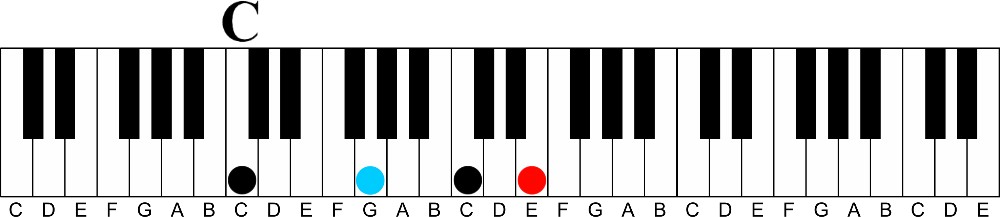 Our passing chord is a slash chord as an A Major over C sharp. This is a Major triad over the 3rd and works well as a passing chord when you're moving to a minor chord.
 From there, we move to D minor.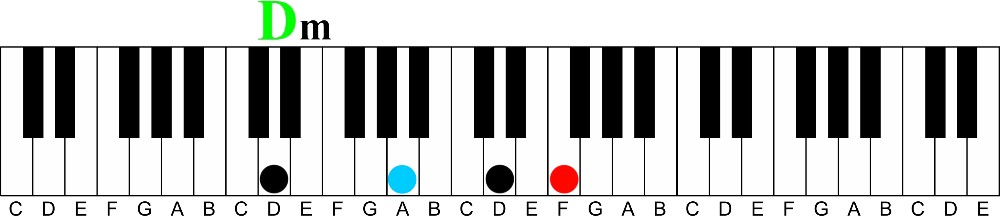
Passing Chord 2
This next progression starts with A minor 7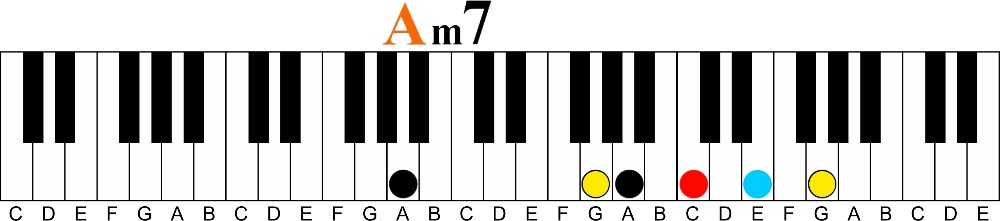
It then moves to E minor 7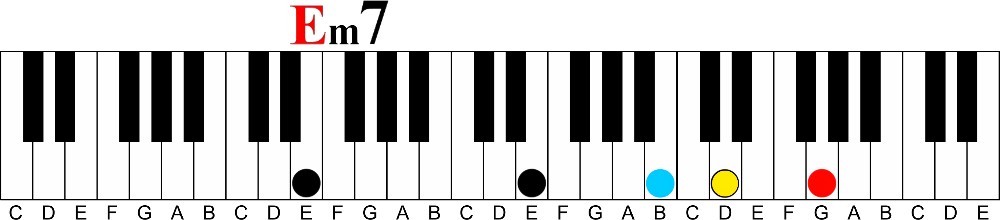
Here, we have an altered chord as the passing chord. It's an E flat 7 sharp 5 chord. The root of this chord is in the bass so it's not a slash chord. It's somewhat dissonant sounding, but it has a couple of notes in common with the other chords in the progression. This allows it to fit well as a passing chord.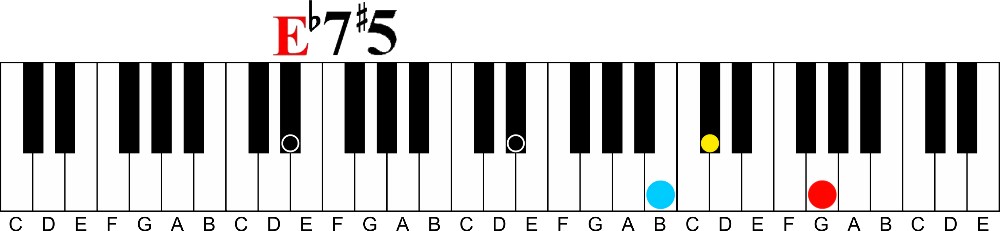 It then resolves to D minor 7.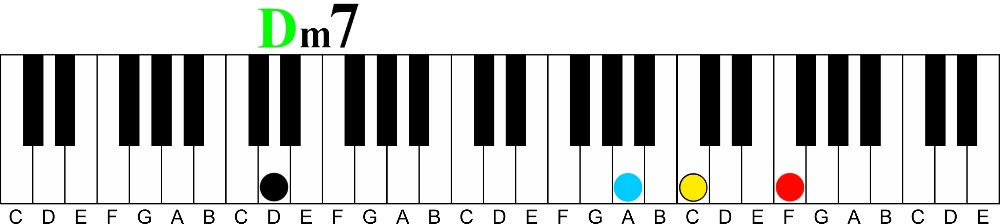
Passing Chord 3
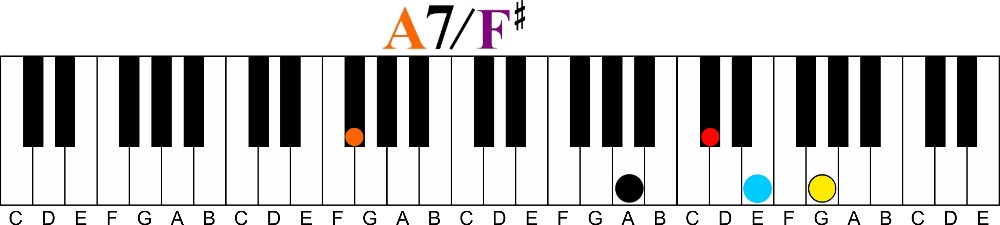
The beginning chord of our next progression is F Major 9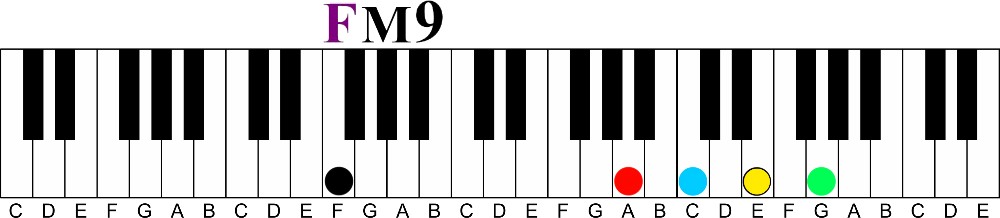 The passing chord succeeds it as an A7/F Sharp (another slash chord). This is a dominant 7th chord which has a 13th tone in the bass. This makes it an extended chord that is out of character with other chords in the progression. But as in the previous chord progression, it has tones that are common to the other chords.
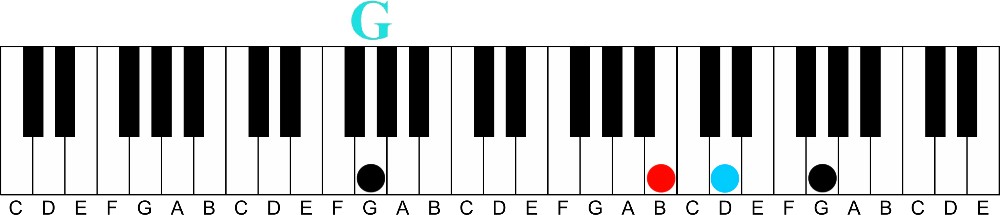
 The progression then moves to a C/G chord and then to G Major as a resolution.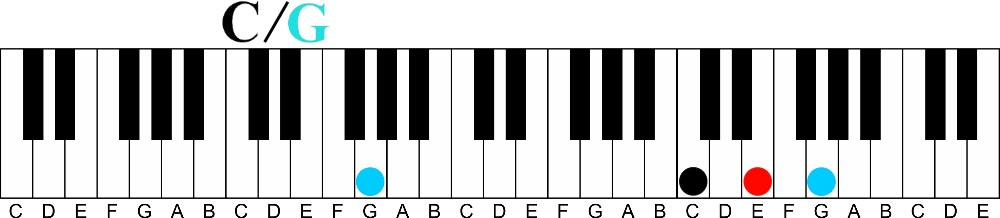
Passing Chord 4

A G Major 7 chord begins our next progression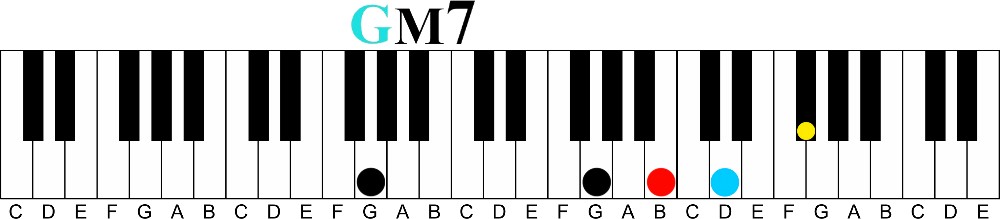
Our passing chord is a Bsus4/G sharp. This is not a typical slash chord but it works. It functions as a suspended chord but has the 6th tone in the bass.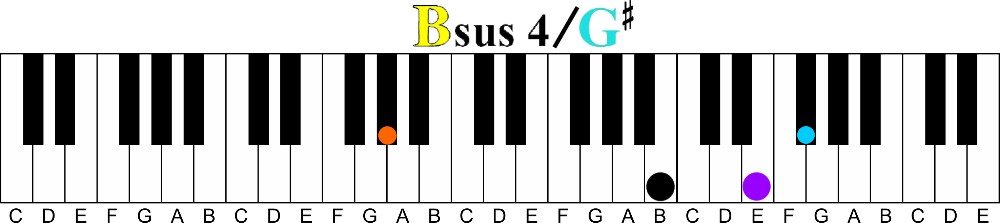 This resolves into a D Major/A chord.
 The progression concludes at an E7 chord.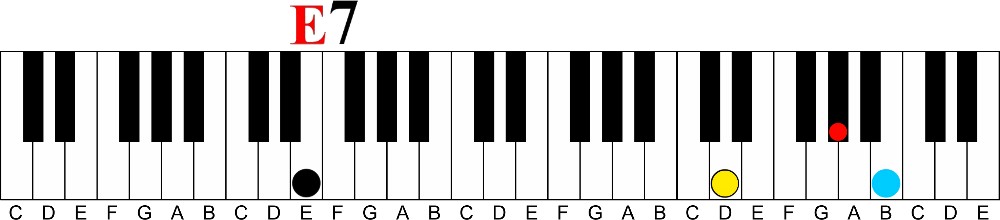
Passing Chord 5
Our Final passing chord example progression begins with A minor 7.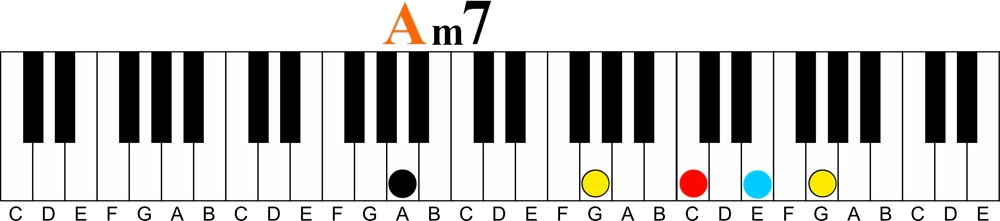 The passing chord succeeds it as a simple B flat Major chord.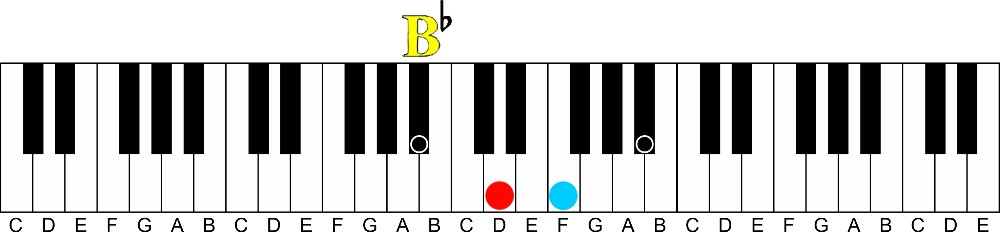
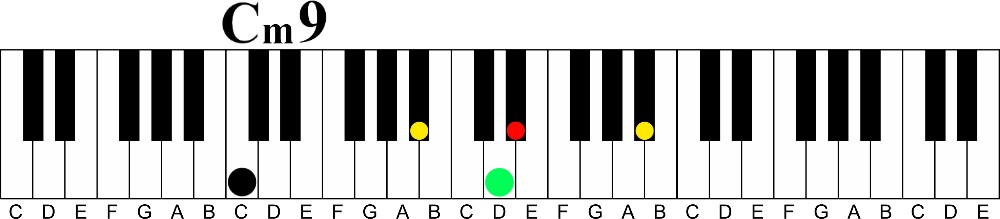
The target chord succeeding the passing chord is G Major/B. This is what makes the simple Major triad as a passing chord work because it resolves to tones that are no more than a whole step apart as well as the target chord being a slash chord.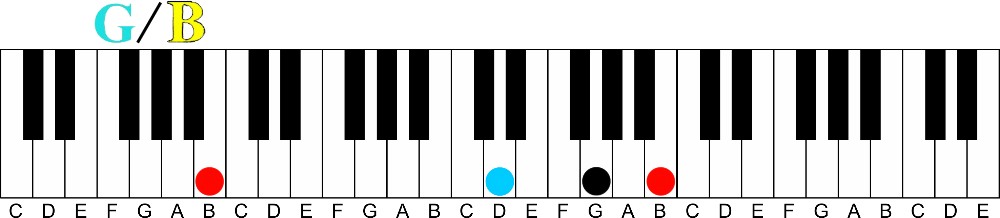 We end the chord progression with C minor 9.
 In order to benefit from this article, it's helpful to have an understanding of triads and beyond. Even though these 5 passing chords are in the context of the chord progressions I've shown, they're certainly not limited to these. The important take away is to understand the concept so you can utilize them creatively in other chord progressions and keys of music.
Until next time, Go Play!


Greg Lee
Latest posts by Greg Lee (see all)
- What is a minor/Major 7 Chord? - October 26, 2023
- 7 Chord Substitutions that Professionals Use - October 19, 2023
- 5 Simple Chord Tricks to Sound Amazing - October 5, 2023