

It's not uncommon to get bored with left hand piano patterns. After all, the left hand is your bass player and you'll usually find it 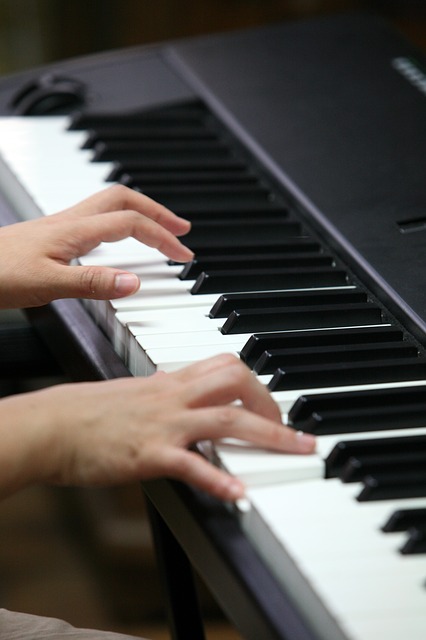 repeating itself. Even though playing the root of your chords in octaves is the norm, you'll find it to be a refreshing change to play a voicing in 10ths.
Even though playing the root of your chords in octaves is usually satisfying enough to get the job done, there are times when we crave some variety in the left hand.
There's an unlimited amount of options for the left hand, but the one I want to focus on in this article is a 10th Voicing. There's more than one way to play it so let's define a 10th voicing and take if from there.
First, let's look at how to determine a 10th interval. As you may know, an interval is the distance between two notes. Even though the smallest intervals you can count are half steps and whole steps, it's not the best way find a 10th.
You should be familiar with the octave. An octave is the interval between one musical pitch and another which doubles the frequency of the note. It's actually referred to as a perfect octave. An octave as you may know means eight. Think of an octopus or an octagon shape.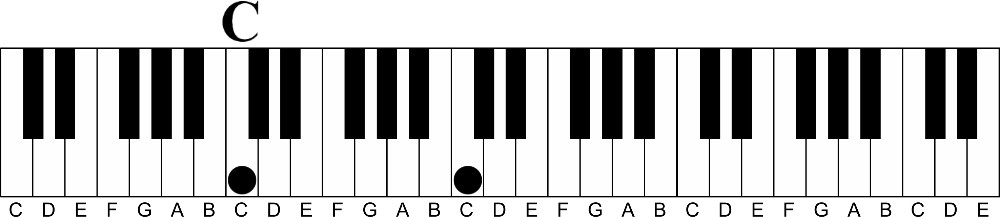 If the octave is an interval of an eighth, a tenth is only a short distance away. With our example of C Major, C is our octave, so we only need to move two whole steps up from the octave to reach the 10th.
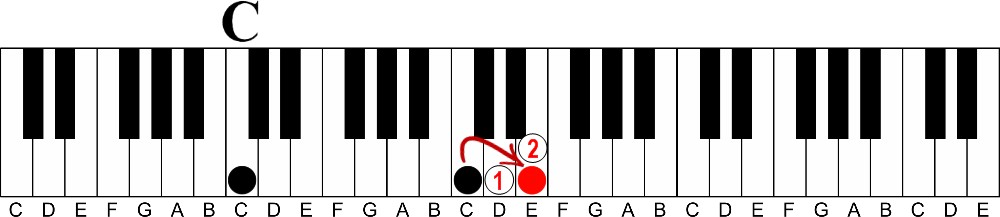 If we look at 10th intervals in other keys, we can use the same "octave plus two whole steps" formula to find them in any key.
The 10th in F Major The 10th in G Major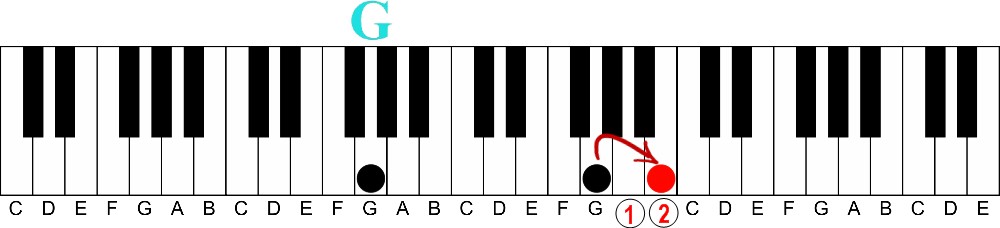
Up to this point, we've looked at Major 10th intervals. The 10th is actually the same note as the Major 3rd only it's played an octave higher.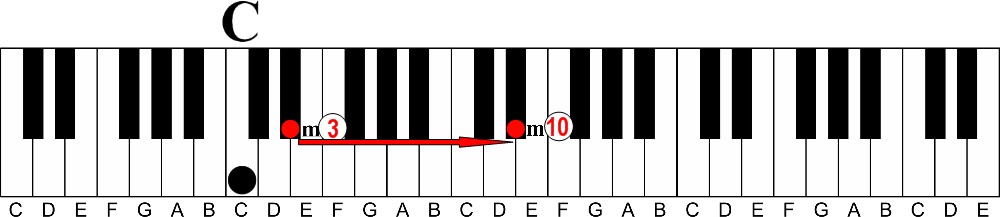 Major 10th intervals aren't the only ones we can play.
We can also play minor 10th intervals.
Since we're moving on to minor 10th intervals we'll use some of the diatonic minor chords that exist in the key of C Major.
We'll proceed with the 2 chord in C which is D minor.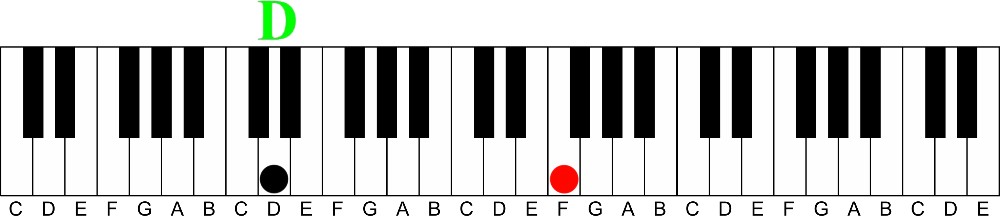 Finding a minor 10th is slightly different than the Major 10th. Instead of two whole steps beyond the octave, just simply count a whole step plus a half step.
D minor voicing in 10ths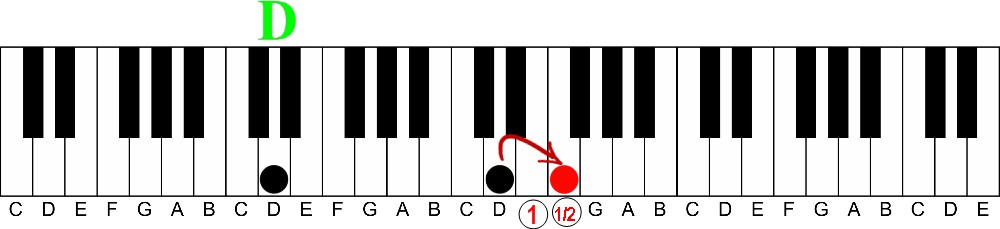 E minor voicing in 10ths
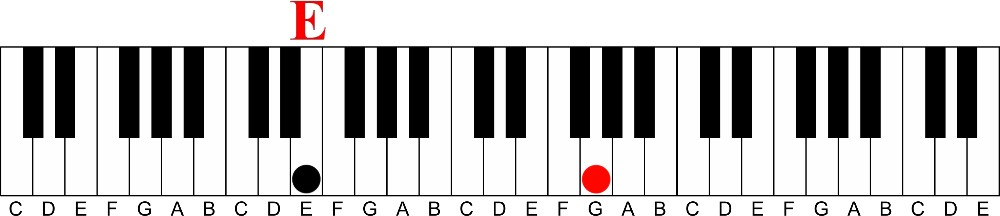 Just as the Major 10th can be thought of as the Major 3rd an octave higher, the minor 10th can be thought of as the minor 3rd an octave higher.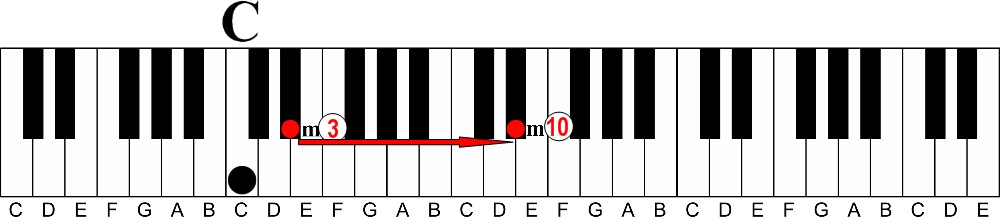
Beyond the definition of these 10th voicings, how exactly are they executed on the keyboard? You can play them exactly as shown in the the left hand. However, if you've attempted to do so, you may have discovered it's quite a stretch even if you have large hands. If you're able to do so, the act of stretching is a beneficial exercise.
If however, you don't have large enough hands to reach these 10th voicings, it's perfectly fine. Not everyone can can do so. Instead, the other option is to play the voicing in 10ths melodically. This is simply playing these two tones one right after the other.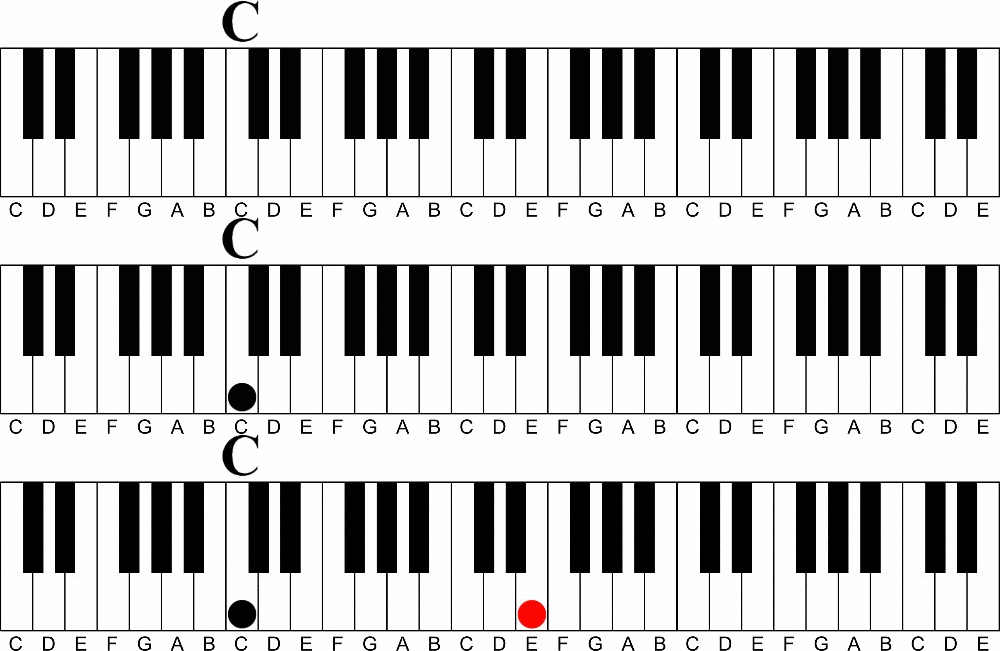 This is definitely a good option when you have black keys in the chord because this makes it an ever longer stretch.
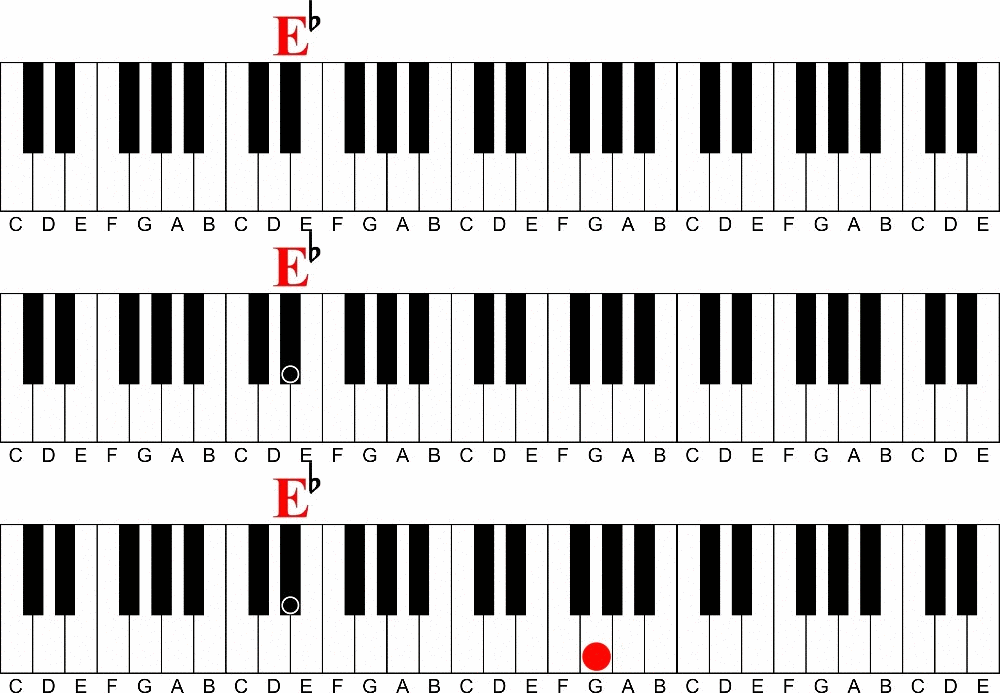 You can also add the 5th of the chord to the voicing in 10ths. Of course this often requires you to play the chord melodically also.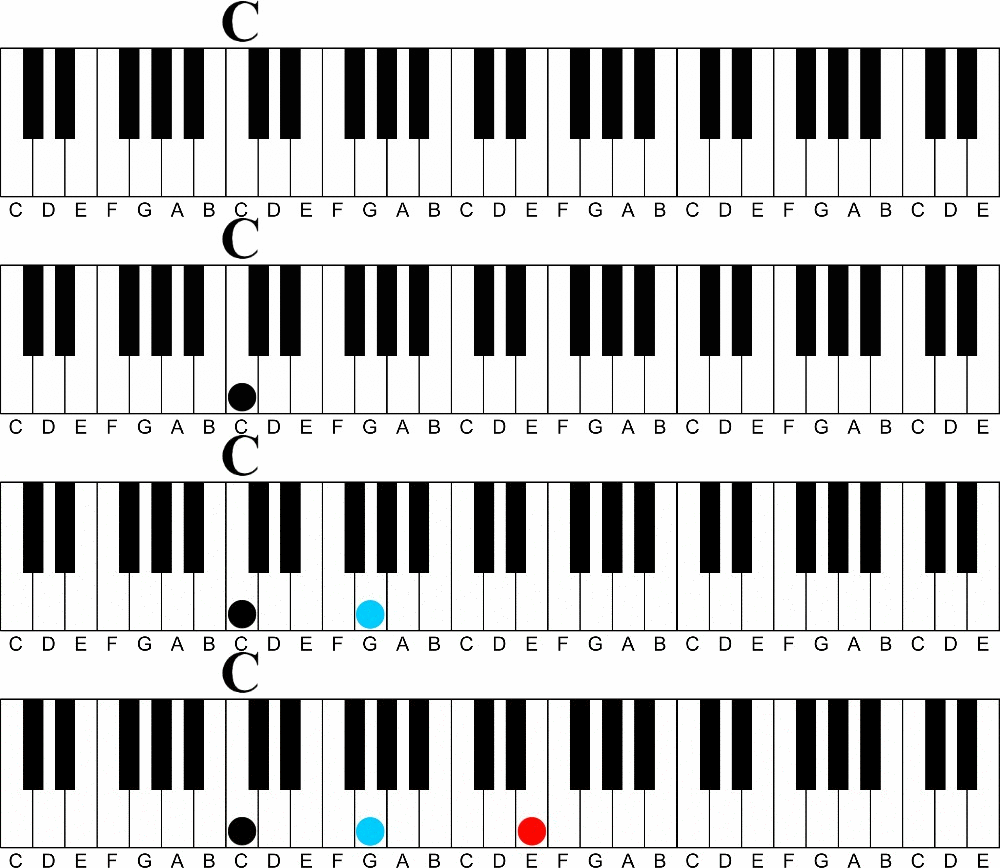
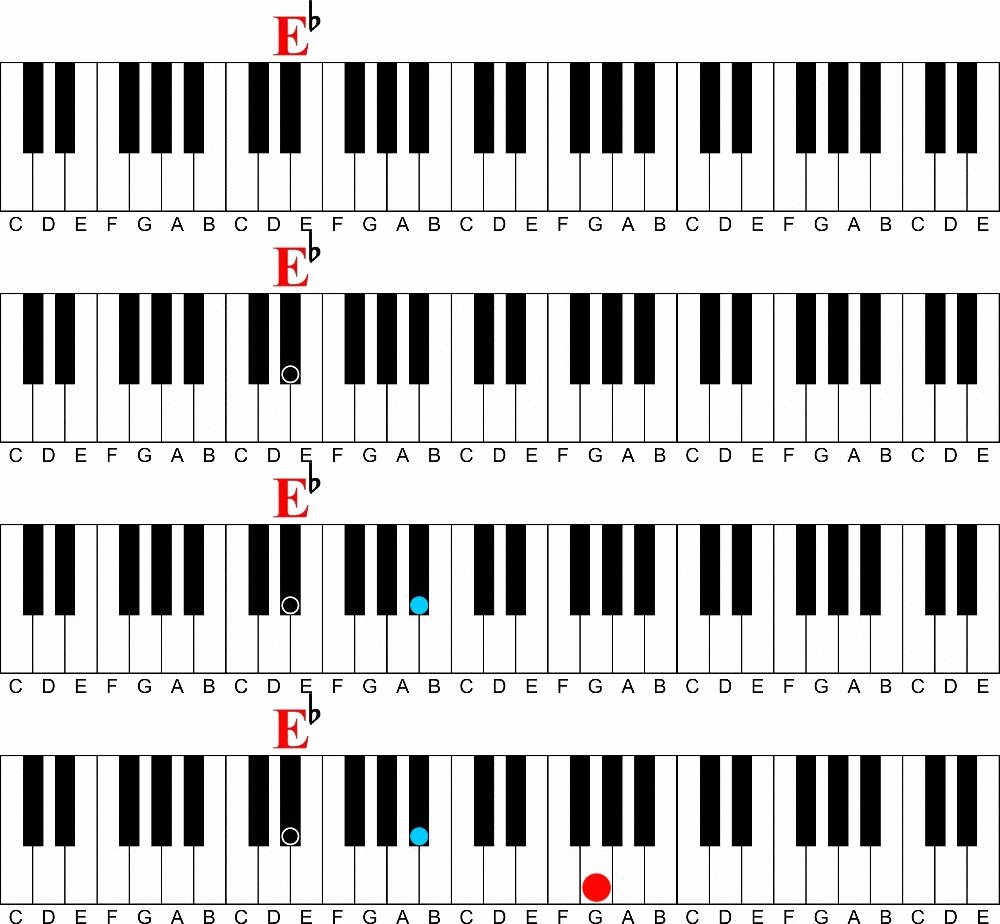
Now that we've brought 10th voicings to light, use them to create interesting left hand textures with any chord. You'll find it to be a refreshing break from a simple root in the bass pattern.
Until next time, Go Play!



Greg Lee
Latest posts by Greg Lee (see all)
- What is a minor/Major 7 Chord? - October 26, 2023
- 7 Chord Substitutions that Professionals Use - October 19, 2023
- 5 Simple Chord Tricks to Sound Amazing - October 5, 2023